
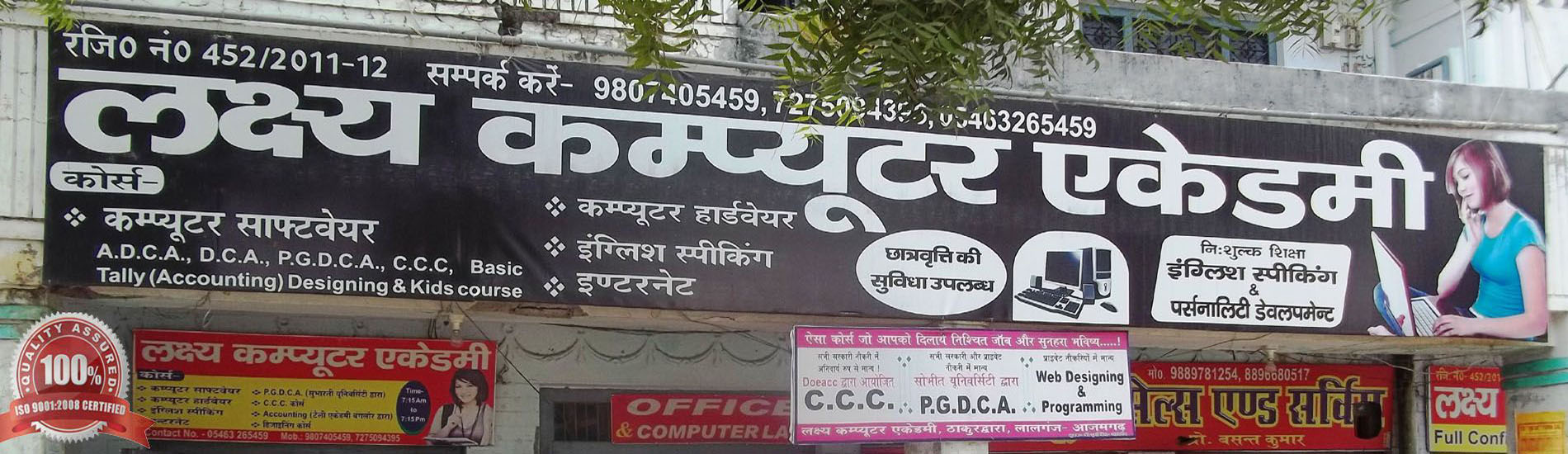
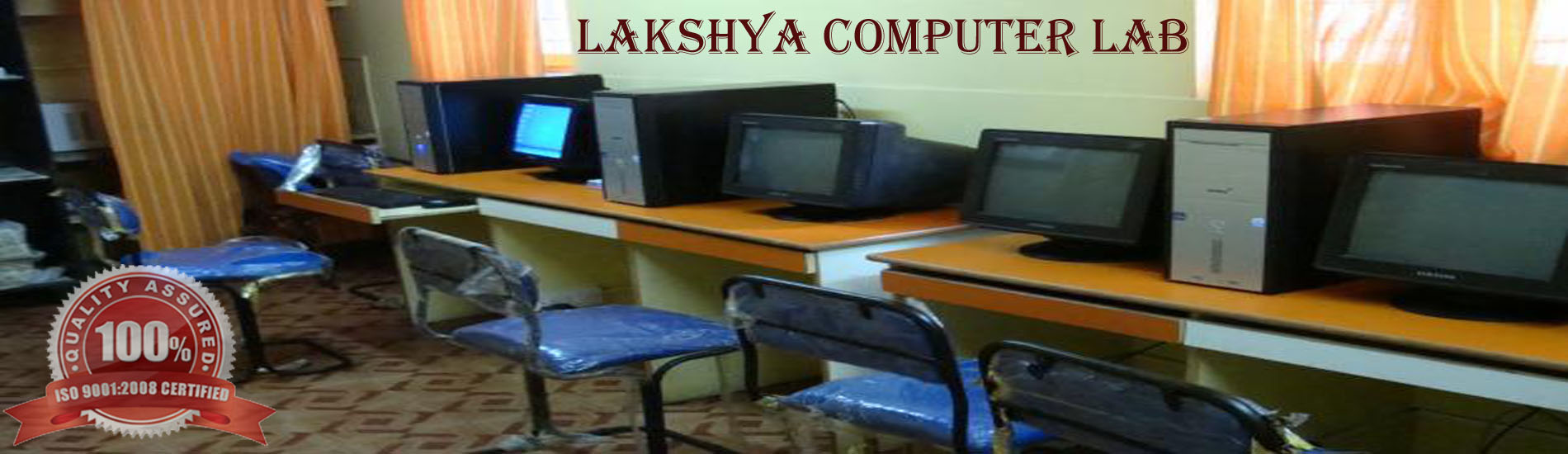

Lakshya Computer Academy was Established in 2011 with the mission of providing best quality computer education to all classes of people at a very reasonable fee structure. It is an ISO 9001:2008 certified institute. Thousands of students have already got trained professionally and made their career successfully in the past. Over the past few years, the growth of the computer industry has been quite remarkable and today it is the fastest growing industry, Not only just the students or house wives, but even experienced professionals are helped greatly by upgrading themselves in Lakshya Computer academy. Our organization not only provides the platform to build up a bright professional career in the computer field but also provides the placement opportunities in reputed companies. As Computer knowledge has become primary requirement for everyone, our Institute provides the best Quality Computer Education in most reasonable fee structure to all classes of people. Our motive is to make all classes of people computer literate and take all possible advantages to make their future much brighter.
Quality Education
Lakshya Computer Academy gives great importance to providing high-quality education to students. By joining an IT career course with LAKSHYA, you get:
- A wide variety of career, professional, short-term & certification courses designed for the learning & career needs of students, working professionals & others.
- Workshops, Events & other activities to encourage student-industry interaction, prepare them for their job interviews & make them industry-ready.
- Job fairs, campus placement drives, etc conducted regularly for students to get job placements on successful course completion.